Mold Remediation in Fort Shafter, HI
Resolving structural moisture problems and removing fungal colonization across Fort Shafter.
Mold remediation in Fort Shafter, Hawaii resolves structural moisture problems and removes fungal colonization from residential and commercial properties.
Airwell Restoration connects property owners across Fort Shafter with thorough containment, filtration, and drying services to halt ongoing structural decay.

Speak With Our Dispatch Team
When water leaks or moisture intrusion affect structural building materials, prompt containment prevents spore dispersal. Contact our dispatch desk to discuss property conditions and coordinate an on-site evaluation.
Signs You Need Mold Remediation in Fort Shafter, Hawaii
Recognizing early signs of mold infestation in Fort Shafter, Hawaii protects building framing from progressive rot and structural weakening. Hidden plumbing drips, failing tub surrounds, and high basement humidity often trigger fungal colonization before visible patches emerge on living area walls. Watch for these telltale warnings throughout your property:
| Diagnostic Indicator | Remediation Detail |
|---|---|
| Observable Indicator | Swollen floorboards, spongy drywall, or stained baseboards along interior partition walls |
| Observable Indicator | A damp, pungent smell that grows stronger when air conditioning or heating cycles activate |
| Observable Indicator | Discoloration or speckled spotting spreading behind wallpaper, kitchen cabinets, or vanity units |
| Observable Indicator | Condensation droplets forming repeatedly on interior window panes, cold water pipes, or concrete foundations |
What to Do First in Fort Shafter, Hawaii
When you discover mold in Fort Shafter, Hawaii, focus on basic occupant safety and shut down active moisture sources right away. Turn off local water valves if plumbing has failed, and prevent occupants and pets from entering damp or contaminated areas. Recommended preliminary safety measures based on public health guidance include:
Step 01
Turn off the main water shutoff valve immediately if an active pipe leak is contributing to moisture.
Step 02
Switch off central HVAC systems to prevent air currents from carrying loose spores into uncontaminated rooms.
Step 03
Avoid scraping, brushing, or scrubbing dry mold growth, which releases high concentrations of airborne particulates.
Step 04
Keep indoor relative humidity below 60 percent, using residential dehumidifiers where safe to operate.
Step 05
Never apply bleach to porous materials like drywall or structural lumber, as surface chemicals fail to reach deep roots.
Mold Remediation Services in Fort Shafter, Hawaii
Comprehensive mold remediation services in Fort Shafter, Hawaii address both visible fungal colonies and microscopic spores suspended in indoor air. Hawaii features a tropical marine climate characterized by steady trade winds, year-round warmth, and striking geographic microclimates. Volcanic topography creates extreme contrasts between windward slopes receiving heavy precipitation and leeward coastal plains in dry rain shadows. Across the islands, persistent ocean humidity keeps baseline relative humidity high, with ambient dew points hovering near 66 degrees. In residential construction, historic plantation architecture frequently utilizes single-wall timber framing and open post-and-pier foundations. Because these homes lack internal wall cavities and insulation, building components interact directly with humid trade winds. When persistent rain, ground dampness, or winter Kona storms saturate timbers, mold colonizes rapidly on porous wood. Professional mold remediation provides the containment, surface abrasion, and structural drying needed across island communities. Because superficial cleaning leaves root systems active inside semi-porous framing lumber, professional remediation utilizes controlled demolition of porous items and abrasive cleaning of structural assemblies. High-efficiency air filtration and commercial dehumidification ensure the building envelope returns to normal background fungal levels.
Source Identification
Moisture mapping and thermal imaging to locate water ingress
Negative Air Isolation
Containment barriers preventing spore distribution into clean zones
HEPA Air Scrubbing
Continuous air filtration capturing microscopic particulates down to 0.3 microns
Substrate Drying
Structural timber and framing drying to equilibrium moisture thresholds
Mold Removal in Fort Shafter, Hawaii: Available 24/7
Mold removal in Fort Shafter, Hawaii is available 24/7 through our dispatch line to handle urgent pipe bursts, roof leaks, and sudden moisture intrusion. Because fungal spores can germinate on wet cellulose within 24 to 48 hours, rapid containment prevents localized dampness from spreading into adjacent rooms. True structural remediation goes beyond surface wiping by treating semi-porous wood studs and extracting waterlogged materials.
Mold Remediation Near Me in Fort Shafter, Hawaii
When searching for mold remediation near me in Fort Shafter, Hawaii, choosing a nearby provider ensures prompt evaluation before moisture penetrates deeper into building cavities. Our service footprint across Honolulu County allows technicians to dispatch drying equipment and containment plastic directly to local properties facing plumbing leaks or groundwater intrusion. Proximity matters because addressing moisture within the first 48 hours halts ongoing fungal expansion across structural framing.
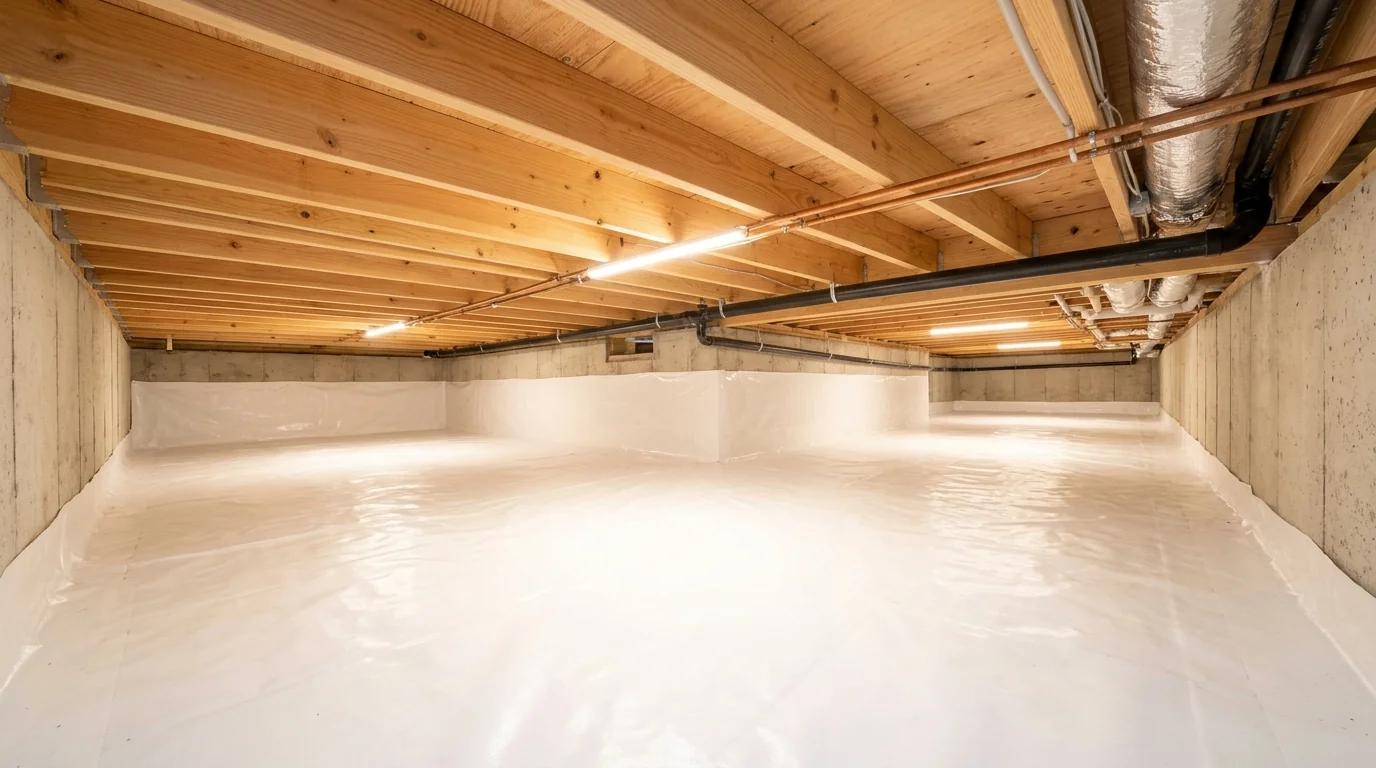
Moisture Mapping & Containment Protocol
Engineered negative air boundary and structural drying parameters
Why Fort Shafter Residents Call Airwell Restoration
Property owners receive transparent estimates that detail containment barriers, equipment requirements, and material extraction without technical confusion. Every evaluation outlines the exact structural elements requiring remediation so you understand the full scope of work before technicians begin.
Plumbing emergencies and moisture intrusion frequently occur outside normal business hours, which is why our telephone line at (831) 298-4645 is staffed 24 hours a day. You can speak with a representative at any time to discuss property conditions and schedule an on-site assessment.
We follow a systematic remediation workflow that includes moisture detection, physical isolation, continuous HEPA filtration, material extraction, and structural drying. This structured approach prevents cross-contamination and returns indoor spaces to normal background fungal ecology.
Our technicians understand the common architectural styles, regional weather patterns, and foundation conditions across Fort Shafter and Hawaii. This familiarity helps us locate concealed moisture traps in crawlspaces, wall cavities, and attics quickly.
Common Mold Problems in Fort Shafter, Hawaii
Common mold problems in Fort Shafter, Hawaii stem from plumbing leaks, exterior envelope failures, poor attic ventilation, and chronic ground moisture rising through foundations. Hawaii residential architecture features historic single-wall plantation homes built from redwood or Douglas fir, raised post-and-pier cottages with open lattice skirting, modern concrete masonry properties, and contemporary timber-framed subdivisions on concrete slabs. Single-wall construction is uniquely vulnerable to moisture intrusion because a single vertical plank serves as both exterior cladding and interior wall. Managing ground moisture beneath post-and-pier homes and maintaining exterior paint seals is vital for structural timber preservation.
Single-Wall Timber Moisture Seepage
Source: Windward rains penetrating exterior tongue-and-groove boards lacking protective wall cavities
Subfloor joists, drywall, insulation. Action: Water seeping straight to interior living areas, warping redwood boards, and growing mold
Post-and-Pier Subfloor Joist Mildew
Source: Damp ground evaporation and restricted perimeter airflow beneath raised homes in rainy areas
Subfloor joists, drywall, insulation. Action: Spongy floor joists, cupping wood floorboards, and musty damp odors rising into bedrooms
Jalousie Window Louver Leakage
Source: Salt-air corrosion deteriorating metal window mechanisms, allowing rain past glass slats
Subfloor joists, drywall, insulation. Action: Water pooling along interior window sills, softening drywall, and rotting wooden framing
Dark Closet Fungal Blooms
Source: High ambient humidity and stagnant air circulation in enclosed wardrobes and pantries
Subfloor joists, drywall, insulation. Action: Mold spreading across stored clothing, leather shoes, drywall ceilings, and shelving
Salt-Air Fastener & Metal Corrosion
Source: Airborne ocean salt degrading roof flashing and pipe fittings, triggering slow plumbing drips
Subfloor joists, drywall, insulation. Action: Hidden moisture pooling inside kitchen cabinets or ceiling cavities, breeding mold
Local Facts for Fort Shafter, Hawaii
| Community Fact | Data | Description |
|---|---|---|
| County Seat & District | Honolulu County | Assisting property owners across Honolulu County dealing with moisture from precipitation and local soil drainage. |
| Geographic Region | West Region | Mitigation protocols tailored to regional climate trends and seasonal humidity fluctuations across the West. |
| Regional Corridor | 0 miles to Honolulu | Maintaining service coverage along primary transportation routes connecting Fort Shafter and Honolulu. |
| Major Metropolitan Anchor | 690.8 miles | Situated 690.8 miles from Honolulu, coordinating regional equipment staging. |
What Affects the Cost in Fort Shafter, Hawaii
The cost of mold remediation in Fort Shafter, Hawaii depends on the physical dimensions of the contaminated area, material porosity, and the containment controls required. Because structural layouts, moisture severity, and accessibility vary widely across properties, remediation scopes require an individual on-site assessment rather than flat-rate estimates.
- Contaminated Surface Area: Total square footage and cubic volume of affected spaces (Larger containment perimeters require additional negative air machines and technician hours)
- Material Porosity: Classification of materials as porous, semi-porous, or non-porous (Porous drywall requires controlled demolition, while structural timber requires abrasive cleaning)
- Structural Accessibility: Ease of reaching low crawlspaces, high attics, or wall cavities (Confined workspaces demand specialized protective gear, lighting, and careful debris handling)
- Moisture Source Severity: Extent of water saturation and depth of moisture penetration (Deeply saturated structural framing requires multi-day commercial dehumidification cycles)
- HVAC System Contamination: Presence of spores or fungal colonies inside air distribution systems (Ductwork remediation requires specialized isolation techniques to avoid whole-house spore distribution)
- Containment Complexity: Need for critical barriers, flap airlocks, and negative pressure (Robust containment barriers prevent cross-contamination into clean living quarters during demolition)
What to Expect When You Call Airwell Restoration in Fort Shafter
Calling Airwell Restoration in Fort Shafter initiates a structured response focused on identifying moisture sources, isolating contamination, and restoring dry indoor conditions.
Initial Consultation
A representative answers your call at (831) 298-4645, logs property details, and reviews visible moisture symptoms.
Diagnostic Assessment
Technicians inspect the affected areas, map moisture levels with diagnostic meters, and identify contaminated assemblies.
Written Scope
You receive a detailed scope outlining required containment barriers, selective demolition, and equipment deployment.
Containment Setup
Technicians erect polyethylene barriers and establish negative air pressure machines fitted with HEPA filters.
Selective Extraction
Saturated porous materials are sealed into disposal bags, and semi-porous framing is mechanically scrubbed.
Structural Drying
Commercial dehumidifiers and air movers run continuously until structural framing reaches normal equilibrium moisture content.
Seasonal Risks for Fort Shafter, Hawaii
Seasonal weather patterns in Fort Shafter, Hawaii create distinct moisture challenges throughout the year, ranging from spring groundwater seepage to winter condensation. Maintaining indoor relative humidity below 60 percent and repairing building envelope leaks helps minimize seasonal fungal growth.
Spring Moisture Dynamics
Spring brings heavy rainfall and rising groundwater levels that test basement walls and crawlspace drainage systems. Spring brings consistent northeast trade winds carrying frequent coastal showers to windward communities like Hilo, Kaneohe, and Kailua. Saturated soils beneath open post-and-pier foundations elevate under-home humidity, dampening subfloor planks and supporting early fungal growth.
Summer Moisture Dynamics
Summer heat and elevated outdoor humidity force cooling systems to run continuously, creating condensation along cold supply ducts and pipes. Summer delivers warm ocean temperatures and elevated ambient humidity across both windward and leeward districts. Closed residential rooms without active mechanical ventilation or air conditioning experience rapid condensation inside dark closets and behind heavy furniture.
Fall Moisture Dynamics
Autumn rainfall and accumulating roof debris can block exterior gutters, causing rainwater to spill down exterior siding and pool at foundations. Autumn features lingering tropical moisture, occasional tropical storm passages, and fluctuating trade winds. Weakening trade winds allow muggy air to settle across low-lying valleys, increasing indoor relative humidity and promoting mold growth on interior textiles and ceiling boards.
Winter Moisture Dynamics
Winter heating creates steep temperature differentials between warm indoor living spaces and cold exterior wall surfaces. Winter brings stormy south-southwesterly Kona winds that reverse normal weather patterns, bringing heavy rains, localized flash floods, and humid conditions to leeward communities. Wind-driven rains penetrate historic single-wall plank seams and corroded jalousie window louvers. ## Common Problems | Problem | Typical Cause in Hawaii | What It Means for the Homeowner | | :--- | :--- | :--- | | Single-Wall Timber Moisture Seepage | Windward rains penetrating exterior tongue-and-groove boards lacking protective wall cavities | Water seeping straight to interior living areas, warping redwood boards, and growing mold | | Post-and-Pier Subfloor Joist Mildew | Damp ground evaporation and restricted perimeter airflow beneath raised homes in rainy areas | Spongy floor joists, cupping wood floorboards, and musty damp odors rising into bedrooms | | Jalousie Window Louver Leakage | Salt-air corrosion deteriorating metal window mechanisms, allowing rain past glass slats | Water pooling along interior window sills, softening drywall, and rotting wooden framing | | Dark Closet Fungal Blooms | High ambient humidity and stagnant air circulation in enclosed wardrobes and pantries | Mold spreading across stored clothing, leather shoes, drywall ceilings, and shelving | | Salt-Air Fastener & Metal Corrosion | Airborne ocean salt degrading roof flashing and pipe fittings, triggering slow plumbing drips | Hidden moisture pooling inside kitchen cabinets or ceiling cavities, breeding mold | ## Home Styles Hawaii residential architecture features historic single-wall plantation homes built from redwood or Douglas fir, raised post-and-pier cottages with open lattice skirting, modern concrete masonry properties, and contemporary timber-framed subdivisions on concrete slabs. Single-wall construction is uniquely vulnerable to moisture intrusion because a single vertical plank serves as both exterior cladding and interior wall. Managing ground moisture beneath post-and-pier homes and maintaining exterior paint seals is vital for structural timber preservation. ## State FAQs
Spring Moisture Dynamics
Spring brings heavy rainfall and rising groundwater levels that test basement walls and crawlspace drainage systems. Spring brings consistent northeast trade winds carrying frequent coastal showers to windward communities like Hilo, Kaneohe, and Kailua. Saturated soils beneath open post-and-pier foundations elevate under-home humidity, dampening subfloor planks and supporting early fungal growth.
Serving Fort Shafter, Hawaii and Surrounding Areas
In addition to serving Fort Shafter, Hawaii, our remediation network provides moisture assessment and structural drying across neighboring communities. Property owners in nearby towns receive the same thorough containment procedures and 24/7 telephone support.
| Town / Community | Distance | Available Remediation Services | Direct Link |
|---|---|---|---|
| Honolulu | 0 miles | Delivering structural framing remediation, moisture source identification, and containment services across Honolulu (0 miles away). | View Honolulu Coverage |
| Jbphh | 0 miles | Delivering structural framing remediation, moisture source identification, and containment services across Jbphh (0 miles away). | View Jbphh Coverage |
| Mcbh Kaneohe Bay | 0 miles | Delivering structural framing remediation, moisture source identification, and containment services across Mcbh Kaneohe Bay (0 miles away). | View Mcbh Kaneohe Bay Coverage |
| Schofield Barracks | 0 miles | Delivering structural framing remediation, moisture source identification, and containment services across Schofield Barracks (0 miles away). | View Schofield Barracks Coverage |
Fort Shafter, Hawaii FAQs
Review answers to common questions about mold remediation, structural drying, and containment protocols for properties in Fort Shafter, Hawaii. Understanding how mold colonizes building assemblies helps property owners make practical, well-informed decisions.
In many cases, occupants can remain in unaffected areas of the property while work proceeds. Technicians erect heavy polyethylene plastic barriers and operate negative air machines to prevent dust and fungal spores from entering living areas. If the project involves major utilities, primary bathrooms, or extensive structural areas, temporary relocation during active work may be more comfortable.
Need Help in Fort Shafter Today?
Speak directly with our dispatch desk to schedule an on-site moisture evaluation in Fort Shafter.
Don't let unaddressed moisture compromise your property framing in Fort Shafter, Hawaii. Contact our 24/7 customer service desk at (831) 298-4645 to speak directly with an experienced team member and schedule an on-site moisture assessment. We provide transparent estimates and thorough structural drying to resolve indoor moisture problems effectively.
Staffed 24 hours a day, 7 days a week at (831) 298-4645.