Mold Remediation in Camp Dennison, OH
Resolving structural moisture problems and removing fungal colonization across Camp Dennison.
Mold remediation in Camp Dennison, Ohio resolves structural moisture problems and removes fungal colonization from residential and commercial properties.
Airwell Restoration connects property owners across Camp Dennison with thorough containment, filtration, and drying services to halt ongoing structural decay.

Speak With Our Dispatch Team
When water leaks or moisture intrusion affect structural building materials, prompt containment prevents spore dispersal. Contact our dispatch desk to discuss property conditions and coordinate an on-site evaluation.
Mold Remediation Services in Camp Dennison, Ohio
Source identification and moisture detection
Physical isolation with negative air pressure
HEPA air scrubbing capturing particulates to 0.3 microns
Substrate moisture stabilization and dehumidification
Signs You Need Mold Remediation in Camp Dennison, Ohio
Recognizing early signs of mold infestation in Camp Dennison, Ohio protects building framing from progressive rot and structural weakening. Hidden plumbing drips, failing tub surrounds, and high basement humidity often trigger fungal colonization before visible patches emerge on living area walls. Watch for these telltale warnings throughout your property:
| Observable Symptom | Structural Vulnerability |
|---|---|
| Diagnostic Indicator | Swollen floorboards, spongy drywall, or stained baseboards along interior partition walls |
| Diagnostic Indicator | A damp, pungent smell that grows stronger when air conditioning or heating cycles activate |
| Diagnostic Indicator | Discoloration or speckled spotting spreading behind wallpaper, kitchen cabinets, or vanity units |
| Diagnostic Indicator | Condensation droplets forming repeatedly on interior window panes, cold water pipes, or concrete foundations |
What to Do First in Camp Dennison, Ohio
When you discover mold in Camp Dennison, Ohio, focus on basic occupant safety and shut down active moisture sources right away. Turn off local water valves if plumbing has failed, and prevent occupants and pets from entering damp or contaminated areas. Recommended preliminary safety measures based on public health guidance include:
- Turn off the main water shutoff valve immediately if an active pipe leak is contributing to moisture.
- Switch off central HVAC systems to prevent air currents from carrying loose spores into uncontaminated rooms.
- Avoid scraping, brushing, or scrubbing dry mold growth, which releases high concentrations of airborne particulates.
- Keep indoor relative humidity below 60 percent, using residential dehumidifiers where safe to operate.
- Never apply bleach to porous materials like drywall or structural lumber, as surface chemicals fail to reach deep roots.
Mold Removal in Camp Dennison, Ohio: Available 24/7
Staffed round the clock for urgent inquiries
Prompt drying stops fungal growth
Mold Remediation Near Me in Camp Dennison, Ohio
Finding mold remediation near you in Camp Dennison, Ohio ensures fast deployment of heavy containment and drying equipment directly to your neighborhood. Crews serve residential and commercial properties throughout Hamilton County, bringing high-capacity HEPA filtration units and commercial air movers to local job sites. Local staging reduces equipment transit delays and helps protect surrounding living areas throughout active remediation.
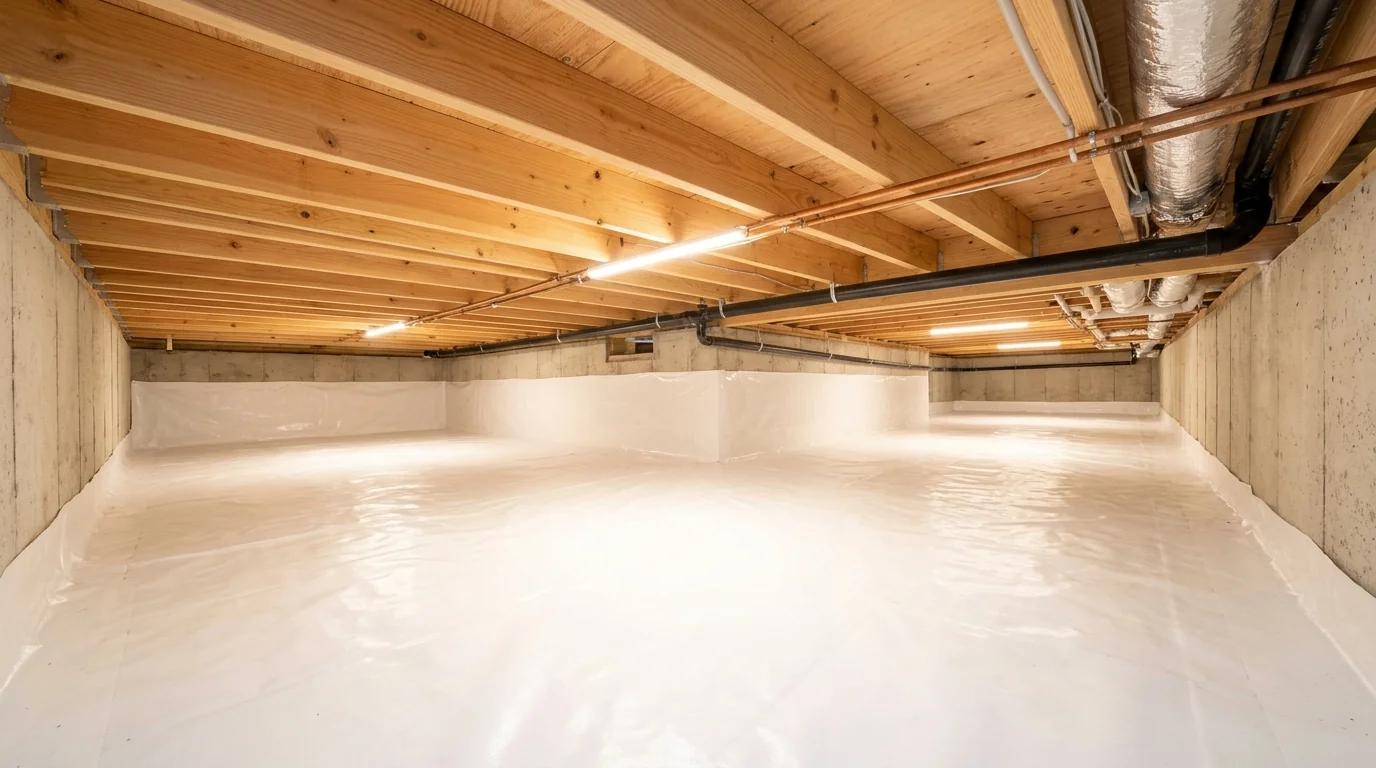
Moisture Mapping & Containment Protocol
Engineered negative air boundary and structural drying parameters
Common Mold Problems in Camp Dennison, Ohio
Common mold problems in Camp Dennison, Ohio stem from plumbing leaks, exterior envelope failures, poor attic ventilation, and chronic ground moisture rising through foundations. Historic two-story American Foursquares, brick colonials, and Craftsman bungalows over hollow cinder block or cut-stone foundations are widespread in Cleveland, Columbus, and Cincinnati. Mid-century suburban ranches and bi-levels built on poured concrete basements dominate outlying metropolitan townships. In Appalachian southeastern Ohio, single-family dwellings often sit on sloping lots with walk-out basements or hillside crawlspaces.
| Building Zone | Moisture Source | Vulnerable Materials | Action Protocol |
|---|---|---|---|
| --- | --- | Subfloor joists, drywall, insulation | --- |
| Cinder block seepage | Groundwater exerting hydrostatic pressure on hollow foundation block | Subfloor joists, drywall, insulation | Moisture weeps through walls, damaging finished drywall and creating efflorescence |
| Lake-effect ice damming | Heavy snowfall melting from attic heat loss and refreezing at cold eaves | Subfloor joists, drywall, insulation | Meltwater backs up under roof shingles, soaking rafters and ceiling plaster |
| Cold duct condensation | Warm, humid basement air contacting chilled air conditioning ductwork | Subfloor joists, drywall, insulation | Water drips onto subflooring and basement ceilings, causing localized dampness |
| Combined sewer backup | Intense summer cloudbursts overwhelming municipal stormwater infrastructure | Subfloor joists, drywall, insulation | Stormwater surges up through basement floor drains, contaminating flooring materials |
| Rim joist dampness | Outdoor air infiltrating unsealed perimeter band joists in winter | Subfloor joists, drywall, insulation | Condensation collects on framing sills hidden behind basement insulation batts |
Local Facts for Camp Dennison, Ohio
Assisting property owners across Hamilton County dealing with moisture from precipitation and local soil drainage.
Mitigation protocols tailored to regional climate trends and seasonal humidity fluctuations across the Midwest.
Maintaining service coverage along primary transportation routes connecting Camp Dennison and Miamiville.
Situated 87.1 miles from Columbus, coordinating regional equipment staging.
Why Camp Dennison Residents Call Airwell Restoration
Homeowners and business operators in Camp Dennison choose Airwell Restoration for dependable moisture diagnostics, thorough containment, and straightforward customer service. Our priority is restoring sound structural conditions while keeping property owners fully informed throughout the project.
Clear Estimates
Property owners receive transparent estimates that detail containment barriers, equipment requirements, and material extraction without technical confusion. Every evaluation outlines the exact structural elements requiring remediation so you understand the full scope of work before technicians begin.
Round-the-Clock Phone Line
Plumbing emergencies and moisture intrusion frequently occur outside normal business hours, which is why our telephone line at (831) 298-4645 is staffed 24 hours a day. You can speak with a representative at any time to discuss property conditions and schedule an on-site assessment.
Step-by-Step Process
We follow a systematic remediation workflow that includes moisture detection, physical isolation, continuous HEPA filtration, material extraction, and structural drying. This structured approach prevents cross-contamination and returns indoor spaces to normal background fungal ecology.
Local Knowledge
Our technicians understand the common architectural styles, regional weather patterns, and foundation conditions across Camp Dennison and Ohio. This familiarity helps us locate concealed moisture traps in crawlspaces, wall cavities, and attics quickly.
What Affects the Cost in Camp Dennison, Ohio
The cost of mold remediation in Camp Dennison, Ohio depends on the physical dimensions of the contaminated area, material porosity, and the containment controls required. Because structural layouts, moisture severity, and accessibility vary widely across properties, remediation scopes require an individual on-site assessment rather than flat-rate estimates.
- Contaminated Surface Area: Total square footage and cubic volume of affected spaces (Larger containment perimeters require additional negative air machines and technician hours)
- Material Porosity: Classification of materials as porous, semi-porous, or non-porous (Porous drywall requires controlled demolition, while structural timber requires abrasive cleaning)
- Structural Accessibility: Ease of reaching low crawlspaces, high attics, or wall cavities (Confined workspaces demand specialized protective gear, lighting, and careful debris handling)
- Moisture Source Severity: Extent of water saturation and depth of moisture penetration (Deeply saturated structural framing requires multi-day commercial dehumidification cycles)
- HVAC System Contamination: Presence of spores or fungal colonies inside air distribution systems (Ductwork remediation requires specialized isolation techniques to avoid whole-house spore distribution)
- Containment Complexity: Need for critical barriers, flap airlocks, and negative pressure (Robust containment barriers prevent cross-contamination into clean living quarters during demolition)
What to Expect When You Call Airwell Restoration in Camp Dennison
From your initial phone contact to project completion, Airwell Restoration follows an organized protocol designed to make structural remediation predictable and thorough for Camp Dennison property owners.
Initial Consultation
A representative answers your call at (831) 298-4645, logs property details, and reviews visible moisture symptoms.
Diagnostic Assessment
Technicians inspect the affected areas, map moisture levels with diagnostic meters, and identify contaminated assemblies.
Written Scope
You receive a detailed scope outlining required containment barriers, selective demolition, and equipment deployment.
Containment Setup
Technicians erect polyethylene barriers and establish negative air pressure machines fitted with HEPA filters.
Selective Extraction
Saturated porous materials are sealed into disposal bags, and semi-porous framing is mechanically scrubbed.
Structural Drying
Commercial dehumidifiers and air movers run continuously until structural framing reaches normal equilibrium moisture content.
Seasonal Risks for Camp Dennison, Ohio
Seasonal weather patterns in Camp Dennison, Ohio create distinct moisture challenges throughout the year, ranging from spring groundwater seepage to winter condensation. Maintaining indoor relative humidity below 60 percent and repairing building envelope leaks helps minimize seasonal fungal growth.
| Season | Climate Dynamic | Moisture Vulnerability | Engineering Indicator |
|---|---|---|---|
| Spring | Spring Moisture Dynamics | Spring brings heavy rainfall and rising groundwater levels that test basement walls and crawlspace drainage systems. Heavy seasonal downpours and melting snow saturate Ohio clay soils, elevating local water tables around residential foundations. Hydrostatic pressure forces moisture through masonry joints and hairline cracks in older basement walls, leading to chronic seepage. | Groundwater Saturation |
| Summer | Summer Moisture Dynamics | Summer heat and elevated outdoor humidity force cooling systems to run continuously, creating condensation along cold supply ducts and pipes. Persistent humidity moving up from the Gulf meets hot summer conditions, driving outdoor dew points above comfortable indoor levels. Humid air entering cool basements condenses on cold concrete slabs and uninsulated cold-water pipes, creating damp indoor surfaces. | Air Conditioning Condensation |
| Fall | Fall Moisture Dynamics | Autumn rainfall and accumulating roof debris can block exterior gutters, causing rainwater to spill down exterior siding and pool at foundations. Cooling autumn evenings lead homeowners to seal windows and turn on central heating systems, trapping residual indoor moisture. Fallen leaves frequently clog gutters and roof valleys, directing rain runoff toward foundation perimeters rather than away from the home. | Moderate Evaporation Delay |
| Winter | Winter Moisture Dynamics | Winter heating creates steep temperature differentials between warm indoor living spaces and cold exterior wall surfaces. Northern regions experience significant lake-effect snow squalls while freezing temperatures settle across the entire state. Heat escaping through uninsulated attic floors melts roof snow, resulting in destructive ice dams along eaves that force water under shingles. ## Common Problems | Problem | Typical Cause in Ohio | What It Means for the Homeowner | | --- | --- | --- | | Cinder block seepage | Groundwater exerting hydrostatic pressure on hollow foundation block | Moisture weeps through walls, damaging finished drywall and creating efflorescence | | Lake-effect ice damming | Heavy snowfall melting from attic heat loss and refreezing at cold eaves | Meltwater backs up under roof shingles, soaking rafters and ceiling plaster | | Cold duct condensation | Warm, humid basement air contacting chilled air conditioning ductwork | Water drips onto subflooring and basement ceilings, causing localized dampness | | Combined sewer backup | Intense summer cloudbursts overwhelming municipal stormwater infrastructure | Stormwater surges up through basement floor drains, contaminating flooring materials | | Rim joist dampness | Outdoor air infiltrating unsealed perimeter band joists in winter | Condensation collects on framing sills hidden behind basement insulation batts | ## Home Styles Historic two-story American Foursquares, brick colonials, and Craftsman bungalows over hollow cinder block or cut-stone foundations are widespread in Cleveland, Columbus, and Cincinnati. Mid-century suburban ranches and bi-levels built on poured concrete basements dominate outlying metropolitan townships. In Appalachian southeastern Ohio, single-family dwellings often sit on sloping lots with walk-out basements or hillside crawlspaces. ## State FAQs | Thermal Envelope Dew Point |
Serving Camp Dennison, Ohio and Surrounding Areas
In addition to serving Camp Dennison, Ohio, our remediation network provides moisture assessment and structural drying across neighboring communities. Property owners in nearby towns receive the same thorough containment procedures and 24/7 telephone support.
Miamiville
1 miles from Camp Dennison
Delivering structural framing remediation, moisture source identification, and containment services across Miamiville (1 miles away).
Loveland
3.5 miles from Camp Dennison
Delivering structural framing remediation, moisture source identification, and containment services across Loveland (3.5 miles away).
Terrace Park
3.5 miles from Camp Dennison
Delivering structural framing remediation, moisture source identification, and containment services across Terrace Park (3.5 miles away).
Maineville
8.7 miles from Camp Dennison
Delivering structural framing remediation, moisture source identification, and containment services across Maineville (8.7 miles away).
Camp Dennison, Ohio FAQs
Review answers to common questions about mold remediation, structural drying, and containment protocols for properties in Camp Dennison, Ohio. Understanding how mold colonizes building assemblies helps property owners make practical, well-informed decisions.
Review answers to common questions about mold remediation, structural drying, and containment protocols for properties in Camp Dennison, Ohio. Understanding how mold colonizes building assemblies helps property owners make practical, well-informed decisions.
- How do I know if mold in my home requires professional remediation?: Professional remediation is recommended when mold covers more than ten square feet, follows contaminated water intrusion, or affects hidden structural framing. Small surface spots on non-porous tiles can often be washed with household soap, but extensive contamination inside wall cavities, subflooring, or attics requires specialized containment and air filtration. Technicians assess the depth of moisture intrusion to determine if structural assemblies require selective demolition.
- What causes mold to grow inside homes in Camp Dennison?: Mold grows inside homes when microscopic spores encounter moisture, oxygen, and organic building materials like drywall or wood framing. Common moisture triggers in Camp Dennison include plumbing pipe leaks, roof flashing failures, high indoor humidity, and unmitigated groundwater seepage in crawlspaces. Resolving the underlying moisture source is required to prevent fungal colonies from returning.
- Why is bleach not recommended for mold remediation on wood or drywall?: Public health guidelines from the EPA do not recommend bleach for routine cleanup of mold on porous materials like drywall or wood studs. Bleach is an aqueous solution that cannot deeply penetrate semi-porous surfaces, leaving underlying fungal roots and moisture intact. Additionally, dead mold fragments left behind can still cause irritation in sensitive individuals, making physical removal and HEPA vacuuming necessary.
- What is the difference between mold removal and mold remediation?: Mold removal refers to wiping or cleaning visible fungal growth off surface materials. Mold remediation is a comprehensive structural process that identifies the moisture source, establishes physical containment, filters airborne spores, and extracts contaminated porous assemblies. Remediation ensures that underlying building materials dry thoroughly and return to normal background fungal levels.
- What happens to porous materials contaminated by mold?: Porous materials such as drywall, fiberglass insulation, carpet padding, and ceiling tiles trap fungal hyphae deep within their structural fibers. Because these materials cannot be completely cleaned once colonized, technicians cut out and remove them inside sealed disposal bags under containment. Removing heavily contaminated porous items protects the remaining sound framing from ongoing deterioration.
- How do technicians prevent mold spores from spreading to clean rooms?: Technicians establish critical containment barriers using heavy polyethylene sheeting and secure tape around the work perimeter. Negative air pressure machines fitted with HEPA filters continuously pull air from the containment zone and exhaust it outside the building. This pressure difference prevents airborne particulates from migrating into clean hallways or living spaces when workers enter or exit.
Moisture Mapping & Containment Protocol
Engineered negative air boundary and structural drying parameters
Need Help in Camp Dennison Today?
Speak directly with our dispatch desk to schedule an on-site moisture evaluation in Camp Dennison.
Protect your home or commercial building in Camp Dennison, Ohio by addressing indoor dampness and mold colonies promptly. Call Airwell Restoration around the clock at (831) 298-4645 to arrange an on-site structural moisture inspection. Our team provides clear estimates, strict containment protocols, and dependable structural drying for properties throughout the area.
Staffed 24 hours a day, 7 days a week at (831) 298-4645.