Mold Remediation Across Oregon
Protecting residential structures across Oregon from fungal colonization and moisture intrusion.
Mold remediation across Oregon protects residential structures from fungal colonization caused by local weather patterns and plumbing failures.
Airwell Restoration connects property owners throughout Oregon with thorough containment, filtration, and structural drying services.
Oregon presents two contrasting climate zones divided by the Cascade Range, with the vast majority of residents living in the maritime west. The Willamette Valley and coastal zones endure prolonged wet seasons stretching from October through May, characterized by persistent drizzle, overcast skies, and periodic atmospheric river storms. Eastern Oregon features high desert conditions with arid summers and cold, snowy winters. In the western valleys, building envelopes absorb months of sustained ambient humidity, challenging traditional wood-framed homes. Vented crawlspaces and hillside daylight basements frequently accumulate moisture from saturated soils and humid marine air. Mold remediation in Oregon requires managing persistent winter dampness, improving envelope ventilation, and drying saturated structural timber.

Speak With Our Dispatch Team
When water leaks or moisture intrusion affect structural building materials, prompt containment prevents spore dispersal. Contact our dispatch desk to discuss property conditions and coordinate an on-site evaluation.
Services in Oregon
Targeted structural remediation adapted to Oregon climate and housing styles
Mold remediation services in Oregon eliminate active fungal colonies and remove excess moisture trapped within building assemblies.
Technicians isolate contaminated rooms, extract water-damaged materials, and dry structural framing to prevent structural degradation. Every project is tailored to the specific construction style and environmental conditions found across the state.
- Moisture source detection to locate plumbing leaks, roof intrusions, or foundation dampness.
- Physical containment using heavy polyethylene barriers and negative air equipment.
- Continuous HEPA filtration capturing airborne particulates down to 0.3 microns.
- Removal of contaminated porous materials including wet drywall, ceiling tiles, and fiberglass insulation.
- Mechanical cleaning and HEPA vacuuming of structural wood studs and masonry substrates.
- High-capacity dehumidification to lower framing moisture content to baseline levels.
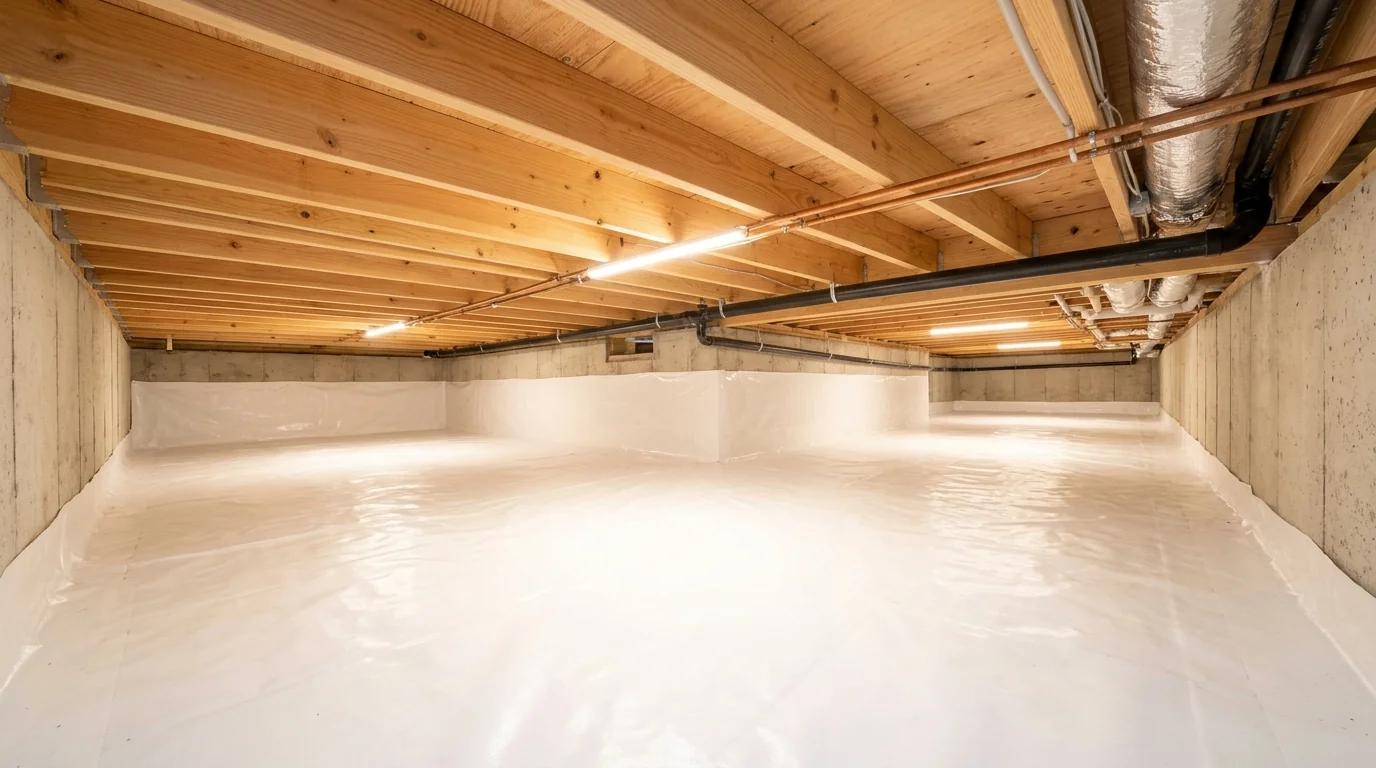
Moisture Mitigation in Oregon
Engineering controls tailored to Oregon regional building foundations
Why Oregon Homeowners Call Airwell Restoration
Oregon homeowners call Airwell Restoration because our team provides transparent technical scoping, clear estimates, and disciplined containment methods. We emphasize complete structural drying rather than superficial surface treatments.
Clear Estimates
Detailed written estimates outlining containment requirements, labor steps, and affected materials.
Round-the-Clock Line
Constant telephone availability at (831) 298-4645 to coordinate assistance for sudden water intrusions.
Step-by-Step Flow
Methodical containment protocols that prevent airborne spores from migrating into clean living areas.
Local Knowledge
Working familiarity with Oregon architectural styles, regional soil conditions, and weather cycles.
What to Expect From Airwell Restoration in Oregon
When you arrange service with Airwell Restoration in Oregon, technicians follow a clear operational sequence to isolate and remediate affected areas while accounting for seasonal weather risks.
Spring Moisture Dynamics
Lingering maritime rains keep ground soils saturated through late spring across western river basins, delaying seasonal drying. Elevated groundwater tables exert hydrostatic pressure against hillside daylight basements and crawlspace stem walls before drier weather arrives.
Summer Moisture Dynamics
Summers bring warm, dry conditions across the Willamette Valley and high heat to the eastern plateaus, creating ideal conditions for structural drying. However, shaded coastal cottages and poorly ventilated basements can retain cool indoor air that traps residual moisture.
Fall Moisture Dynamics
The rainy season resumes in October as low-pressure systems bring atmospheric rivers and prolonged periods of cloudy dampness. Deciduous leaves clog gutters and downspout drains, spilling rainwater against siding and basement walls as heating systems turn on.
Spring Moisture Dynamics
Lingering maritime rains keep ground soils saturated through late spring across western river basins, delaying seasonal drying. Elevated groundwater tables exert hydrostatic pressure against hillside daylight basements and crawlspace stem walls before drier weather arrives.
Cities We Serve in Oregon
Airwell Restoration provides structural mold remediation services to communities throughout Oregon. Select your city below to find local service details and regional housing insights for your area.
Frequently Asked Questions in Oregon
Localized answers addressing regional foundation types, humidity challenges, and climate-specific remediation questions across Oregon.
Attic sheathing mold usually stems from indoor moisture rather than roof leaks. In damp winters, warm air from showers and cooking rises through unsealed ceiling penetrations into cold attics. When this moisture contacts cold roof plywood kept wet by outdoor rains, condensation forms and supports surface mold growth.
Get Help in Oregon Today
Unresolved moisture intrusion can cause progressive structural damage to framing members and subfloors.
Airwell Restoration delivers methodical containment, controlled material removal, and thorough drying across Oregon.
Call (831) 298-4645 to speak with our dispatch team and schedule an on-site evaluation for your property.